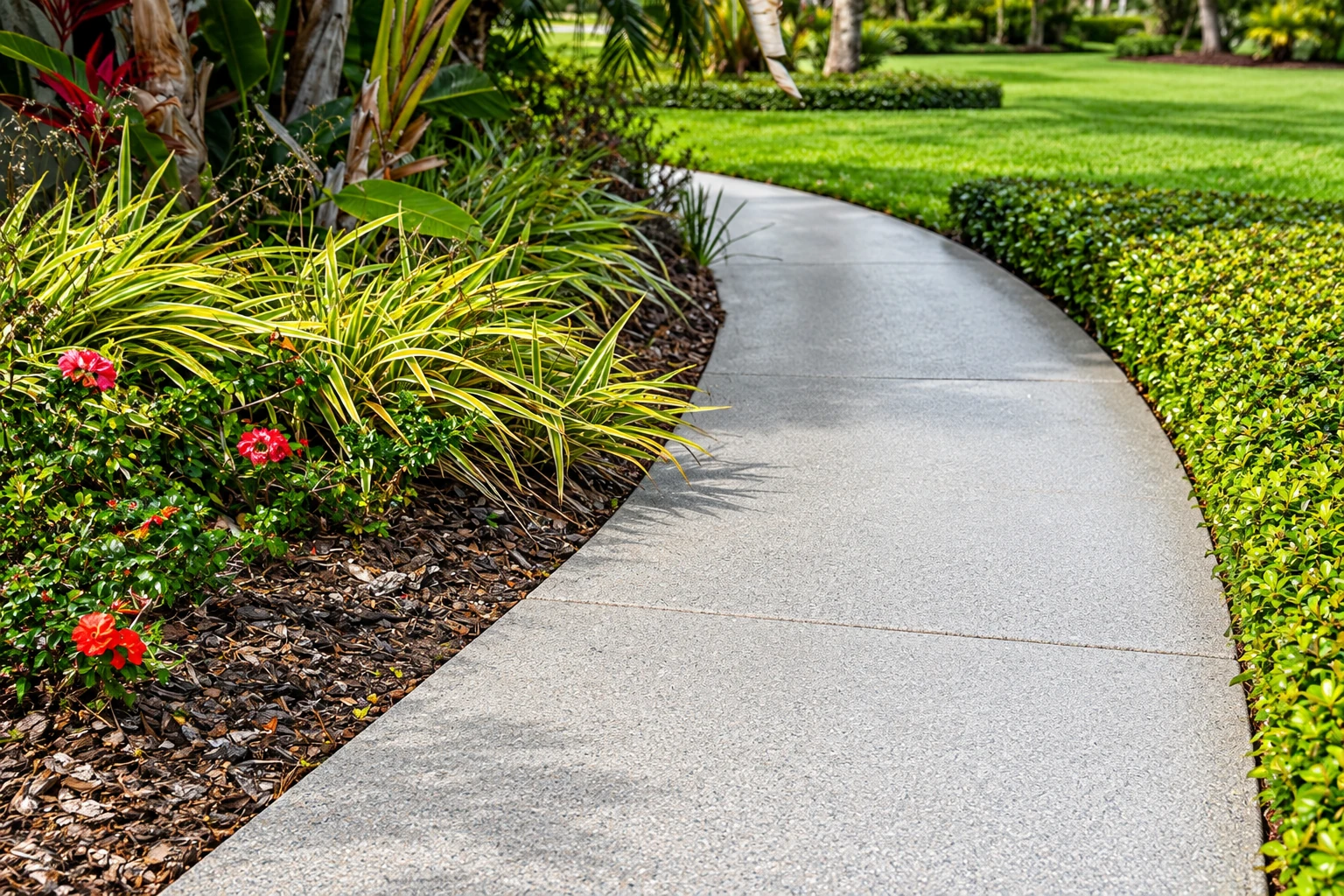
Slab foundation building in Loma Linda CA - built on ground we prepare first
Planning a garage, shed or addition that needs a slab? We prepare the ground, reinforce it and pour a slab you can build on.
- Licensed and fully insured.
- Free quotes on site.
- We reply within 1 business day.
What does building a slab foundation involve, from the soil up?
Slab foundation building in Loma Linda means preparing the soil, setting reinforcement and placing concrete as one slab on the ground, with joints that help control cracking. The result is a level, solid base for a garage, workshop or addition. The job usually includes digging out and grading the spot and forming the edges, and some buildings also need deeper footings. It isn't finished until the concrete has had time to cure before the walls go up.
Thank you for looking into this before anything is poured, because most of what decides how a slab holds up is settled before the truck arrives. The price mostly turns on four things: the slab's size and thickness, how much soft dirt has to come out and how much base goes back in, which reinforcement goes in, and how easily we can get concrete to the spot. The schedule turns on whether the city requires a permit, the weather on pour day and the curing time, which is the stretch the concrete needs to harden before it carries a load. When I come out, I write all of that into the estimate, so you can see what the price covers before you decide.
How do you know your project needs a new slab foundation?
Old slab cracked and sinking
If the old slab under a shed or garage is cracked through or has dropped at one corner, the ground under it has usually settled. Building on top of it means your new walls will move with that ground, and the repair gets bigger once they're up.
Water pooling where you'll build
Water that stands after rain, or runs toward the house, usually means the spot needs grading before any slab goes down. If you pour on it as it is, that water keeps working under the concrete and softening the dirt it sits on.
Loose or filled-in ground
If a tree came out, an old pool was filled or dirt was dumped to level the yard, that ground is usually loose and will keep settling. A slab poured over it can crack or tip, so the fill has to come out or be packed before we start.
Work that often goes with a slab
Foundation installation
If your building needs more than a slab on the ground, such as deeper footings or a raised floor, this covers the rest of the foundation under it.
Concrete parking lot building
When the new building needs room for cars or deliveries, planning a concrete lot with the slab lets us set the grades and drainage for both at once.
How we build a slab foundation
A slab is only as good as the ground beneath it, so our first work happens where nobody will see it once the concrete is down. We mark out the slab and dig out the soft topsoil and roots. Then we bring in base material and pack it in layers so the subgrade, the ground the slab sits on, is firm and even. We also check which way the water runs so the finished slab sheds it away from the house. After that we set the forms and the rebar, steel bars that hold the concrete together if it cracks. We plan the pour for the cooler part of the day so the heat doesn't leave a weak, dusty top, then finish the surface and cut control joints. Those are shallow saw lines that give the concrete a planned place to crack as it shrinks. Your bid explains how we'll prepare the ground and which reinforcement we'll use, and we help you plan how long to wait after the pour before heavy loads go on. If the budget gets tight, I'd rather keep the money in the base than in a fancier finish, because a surface can be redone later and the ground under a slab can't.
Some buildings need more than a slab. When the plans call for deeper footings or a short wall under the framing, that's part of our foundation installation work, and we can schedule it alongside the slab. If you're adding parking or a drive lane beside the new building, our concrete parking lot building can be graded at the same time, so the water off both goes where you want it.
Rebar grid
Steel bars tied in a grid suit slabs that will carry walls, a vehicle or heavy equipment, because they add the most strength and hold cracks tight. They take more labor to set, so they cost more than the other options.
Welded wire mesh
Sheets of welded wire suit lighter slabs, like a shed or a patio cover, and keep small cracks from spreading for less than a full rebar grid. The wire has to sit up inside the concrete, not on the dirt, or it does very little.
Fiber in the mix
Fibers mixed into the concrete help with the fine surface cracks that show up as a slab dries. On a building slab, fiber usually works alongside steel rather than replacing it.
Get a written slab foundation estimate for your lot
Send the form and we'll reply within one business day to set up a visit. I'll look at the ground and leave a free written estimate, obligation-free. Calling (909) 760-1346 works too.
Call (909) 760-1346Why Loma Linda homeowners call Loma Linda Concrete for slab work
I see every job myself
I come out to look at every job and write the estimate myself, and then I work on site with our small crew, who do the forming, pouring and finishing. The person who priced your slab is the one watching it go in.
Licensed and fully insured
We're licensed and fully insured, and we're glad to show you both before any work starts. A slab job brings a truck, a crew and heavy equipment onto your property, so insurance means an accident during the work doesn't land on you.
We check permits with the city
Whether your slab needs a permit is the city's call, so we ask the City of Loma Linda instead of guessing, and we tell you the answer at the estimate. If one is needed, we take care of the application through the city's online permit portal, where plans are submitted, fees are paid and progress can be tracked.
Here since 2023, often by referral
We opened in Loma Linda in 2023, and many of our calls come from people we've already worked for. We take jobs across many of the cities around here too, so if your city isn't named on the site, please call and ask.
On a slab, what matters most is the ground nobody sees once the concrete is down, so ask for an estimate and I'll show you on site how we'd prepare yours.
What happens after you call about a slab foundation?
Call or send a request
Thank you for reaching out. We'll get back to you to set a time for me to see the lot, and it helps if you know the rough size of the slab and what you plan to build on it.
I walk the site with you
I look at the ground, the slope and where the water goes, and I ask what the slab will carry. You get a written estimate that spells out the ground preparation, the reinforcement and everything the price covers.
We prepare, pour and finish
Once you're ready, we sort out the permit if the city requires one, then dig out, pack the base, set the forms and steel, and pour. We'll go over the wait before framing or heavy deliveries can go on the slab, so you can book your builder around it.
We walk the finished slab
When the forms come off, I walk the slab with you and go over the joints and how to care for it while it cures. Satisfaction guaranteed on every job.
Common questions
How much does a slab foundation cost in the Inland Empire?
An installed slab foundation in the Inland Empire usually costs about $6 to $16 per square foot. Where yours lands depends mostly on how much ground preparation the lot needs, how thick the slab is and which reinforcement goes in. I'll give you a written figure for your own lot after I've seen it.
How long does a new concrete slab take to cure before I can walk on it?
A new slab should be walkable within about 48 hours, though concrete takes about a month to fully cure and reach its strength. Many owners wait about a week to be safe before heavier loads go on. Let your builder know before you book a lumber drop or a framing crew.
Who needs a contractor license to build a slab foundation in California?
In California, a contractor needs a license from the Contractors State License Board when a job needs a building permit, uses any extra workers or costs $1,000 or more in labor and materials. Most slab foundation work meets one of those conditions, so ask every bidder for their license before you hire.
Does a seismic hazard zone change my slab foundation project in Loma Linda?
It can. In zones the state has mapped as likely to have weak soil or rock underneath, cities and counties must require a site-specific investigation by a state-licensed engineering geologist or civil engineer before they permit most buildings meant for people. That kind of ground can fail in an earthquake unless proper precautions are taken during grading and construction. A single-family frame home of up to two stories, outside a development of four or more units, is exempt from those state rules. The city can still set stricter ones, so it's worth asking the city early.
What causes cracks in a new concrete slab?
Most cracks in a new slab come from the concrete shrinking as it dries, or from loose ground underneath that settles. Shrinkage cracks are normal, so the aim is to give them a planned place to form. Crews usually cut control joints within 4 to 12 hours after the pour, and the temperature and the mix shift that window. A joint cut too late can leave a crack wherever the slab chooses.
How do I compare bids for a slab foundation in Loma Linda?
Compare how each bid says the soil will be prepared and which reinforcement it uses, because the ground under a slab decides how well it performs and the reinforcement decides how it handles cracks. It's also fair to ask how the crew plans the finishing, joint cutting and curing on pour day, since the timing of those steps matters. A low bid that's vague about the base usually saves its money underground.
Get your slab foundation estimate started
Have the lot address, a rough slab size and what you plan to build ready when you call (909) 760-1346 or send the form, so I can come out ready to look at the right things.